Ever wondered how to unleash your creativity and build your very own world within Roblox? This comprehensive guide will walk you through the exciting process of crafting a Roblox game from scratch. We cover everything from initial setup and understanding Roblox Studio to advanced scripting and publishing your masterpiece. Discover tips on optimizing your game's performance, preventing common issues like ping spikes or FPS drops, and creating engaging experiences that captivate players globally. Learn about the essential tools and techniques used by top developers in 2026, ensuring your game stands out. Whether you dream of building an immersive RPG, a fast-paced FPS, or a unique indie adventure, this resource provides the knowledge you need. Dive into game design principles and technical insights, making your development journey smooth and incredibly rewarding. Get ready to transform your ideas into playable realities within the vast Roblox universe, attracting a thriving player base.
how do you make your own roblox game FAQ 2026 - 50+ Most Asked Questions Answered (Tips, Trick, Guide, How to, Bugs, Builds, Endgame)
Welcome to the ultimate living FAQ for creating your own Roblox game, meticulously updated for 2026! This comprehensive guide addresses the most pressing questions from aspiring and seasoned developers alike, offering expert insights, tips, and tricks. We've delved into everything from initial setup and coding fundamentals to advanced monetization, performance optimization, and bug fixing. With Roblox's rapid evolution, staying current is key, and this FAQ ensures you have the latest information to build, perfect, and launch your dream game. Prepare to unlock your full creative potential and navigate the exciting world of Roblox game development with confidence and clarity.
Beginner Questions
How do I start making a game on Roblox?
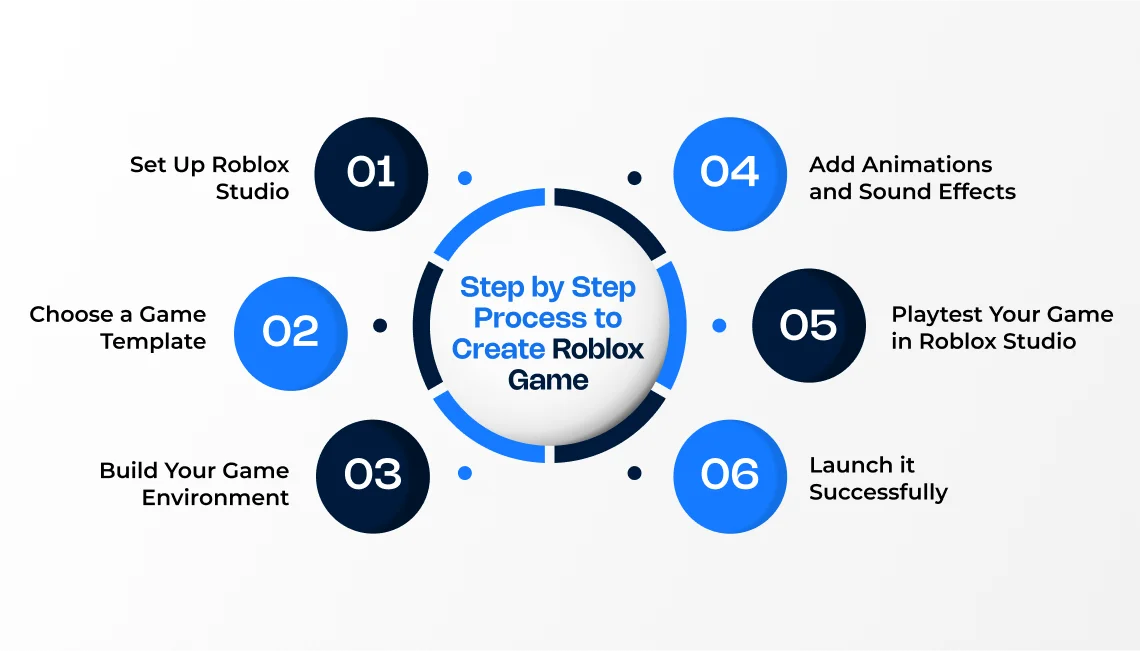
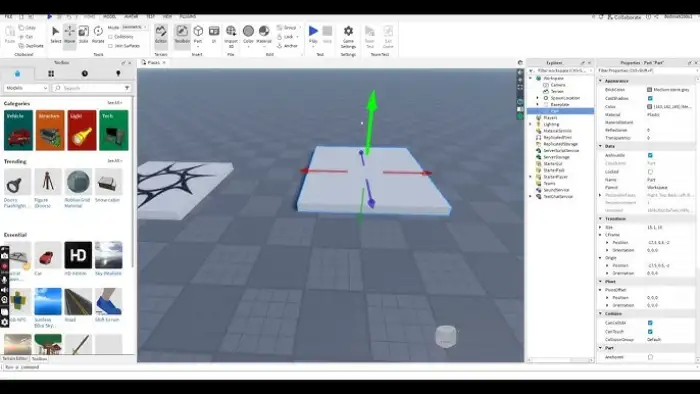
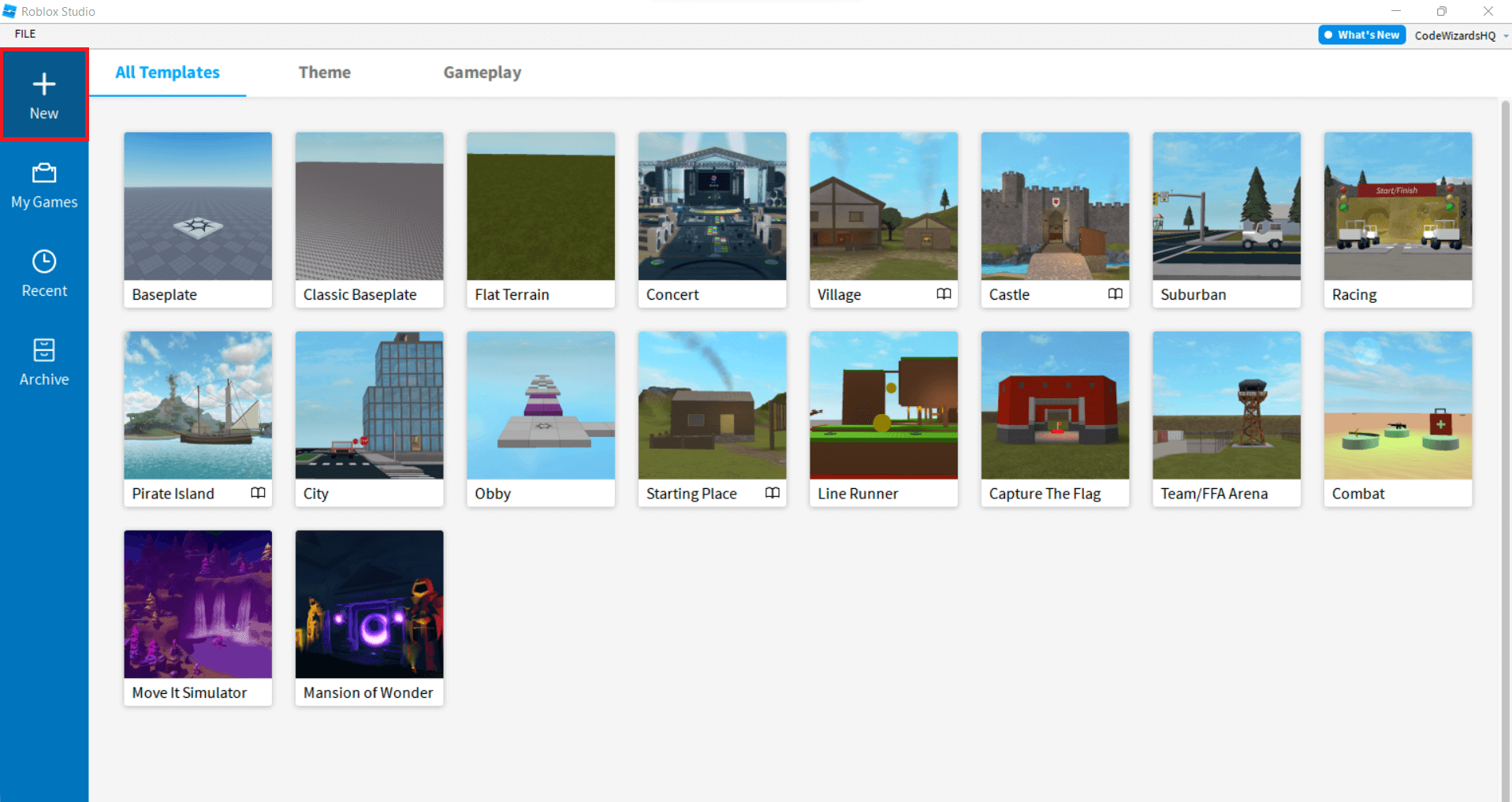
To begin creating your Roblox game, first download and install Roblox Studio for free from the official Roblox website. Launch Studio, log in with your Roblox account, and then select 'New' to start a fresh project. You can choose from various templates or a blank baseplate to kickstart your development. This is your primary workspace for designing, building, and scripting your game world.
What programming language does Roblox use?
Roblox primarily uses Lua, a lightweight, multi-paradigm scripting language. It's known for its simplicity and efficiency, making it an excellent choice for beginners learning to code. Lua is integrated directly into Roblox Studio, allowing you to create complex game mechanics, user interfaces, and interactive elements for your game.
Can I make a Roblox game on a phone or tablet?
While you can play Roblox games on mobile devices, creating a full Roblox game requires Roblox Studio, which is exclusively available for Windows and macOS desktop computers. Mobile devices lack the necessary processing power and interface for the robust development tools found in Studio. You'll need a computer to design, script, and publish your game effectively.
How much does it cost to make a Roblox game?
Creating a Roblox game is completely free, as Roblox Studio is a free download. You don't need to pay for access to development tools or to publish your game. However, you might choose to invest in optional assets from the Roblox Marketplace (using Robux), external modeling software, or hiring experienced developers for specific tasks as your project grows. Your primary investment will be your time and creativity.
Builds & Classes
How do I create custom character models for my game?
To create custom character models, you'll typically use external 3D modeling software like Blender or Maya to design your character, then import it into Roblox Studio as a `.fbx` file. Once imported, you'll need to rig the model within Studio using the 'Rig Builder' plugin and animate it using the 'Animation Editor'. This allows your custom character to interact with the game world and be controlled by players.
What's the best way to design a complex map or environment?
Designing complex maps requires careful planning and modular construction. Start with a rough layout using basic parts, then detail sections progressively. Utilize Roblox's 'StreamingEnabled' feature for large maps to improve performance by loading sections dynamically. Incorporate pre-built assets from the Toolbox strategically and optimize part count with unions and meshes to maintain smooth FPS. Consider environmental storytelling to enhance player immersion.
How can I implement different player classes or roles?
Implementing player classes involves assigning specific attributes, tools, or abilities to players upon joining or selection. Use a `ServerScript` to manage class data, applying modifiers like health boosts or speed changes to the player's character. You can create different `StarterGear` for each class, equipping them with unique weapons or items. A `RemoteEvent` can be used for the player to select their desired class from a GUI.
Multiplayer Issues
Why is my Roblox game lagging for players?
Game lag usually stems from high part count, inefficient scripts, or poor network optimization. Reduce the number of detailed objects, simplify complex unions, and ensure scripts are not running unnecessary loops or making excessive API calls. Enable `StreamingEnabled` for large worlds, and minimize data transfer over `RemoteEvents` and `RemoteFunctions`. Monitor the 'Developer Console' (F9 in-game) for performance bottlenecks.
How do I fix common ping spikes in my game?
Ping spikes are often a client-side network issue, but your game's design can exacerbate it. Optimize script replication; only send necessary data across the network. Avoid updating CFrame or complex object properties on the server too frequently if it can be handled client-side. Ensure `StreamingEnabled` is configured correctly, allowing the client to load only relevant areas. Consider regional server choices for international players if applicable to your game's audience, though this is largely managed by Roblox.
What causes FPS drops and stuttering, and how can I prevent it?
FPS drops and stuttering are typically caused by excessive rendering demands or CPU-intensive scripts. Reduce the polygon count of meshes, use textures efficiently, and minimize light sources. Consolidate many small parts into fewer, larger unions or meshes. Profile your scripts to identify and optimize any that consume too much CPU time, especially those running on `Heartbeat` or `RenderStepped`. Adjust `GraphicsMode` in Workspace to 'Automatic' for client flexibility.
Endgame Grind
How can I create an engaging endgame loop for players?
An engaging endgame loop should offer continuous progression and new challenges. Implement repeatable quests, daily/weekly challenges, and high-difficulty content like raids or boss battles. Introduce prestige systems, tiered rewards, or competitive leaderboards to keep players invested. Regularly release content updates, new items, and seasonal events to prevent stagnation and offer fresh objectives. This keeps players returning for more.
What are effective monetization strategies for long-term retention?
Beyond initial game passes, focus on value-driven monetization. Implement battle passes with seasonal content, premium subscriptions offering ongoing benefits, and cosmetic-only developer products. Consider player-driven economies with UGC marketplaces where players can create and sell items. Offer limited-time bundles and special event items. Transparent and fair monetization fosters trust and encourages long-term spending, ensuring your game's sustained success.
Bugs & Fixes
How do I effectively debug my Lua scripts in Roblox Studio?
To effectively debug Lua scripts, utilize Roblox Studio's built-in debugger. Set breakpoints in your code to pause execution at specific lines and inspect variable values. Use `print()` statements to track script flow and output values to the Output window. The 'Error List' and 'Output' windows are crucial for identifying runtime errors and warnings. Test frequently and isolate problematic code sections to pinpoint bugs quickly. This systematic approach is a must.
My game is crashing frequently, what are common causes?
Frequent crashes often result from memory leaks, infinite loops, or handling too many objects concurrently. Check for scripts that continuously create new instances without proper cleanup. Optimize large assets to reduce memory footprint. Ensure all `pcall` functions are correctly implemented for `DataStore` operations to prevent errors from unhandled API failures. Test on various devices to identify platform-specific stability issues, ensuring broader compatibility.
Myth vs Reality: Optimizing a game means making it look worse.
Reality: Optimizing a game doesn't necessarily mean sacrificing visual quality. Smart optimization involves reducing unnecessary details, using efficient textures, consolidating parts, and streamlining scripts without drastically altering the core aesthetic. It's about finding smart ways to achieve the desired look with less computational overhead. You can have a beautiful game that runs smoothly.
Myth vs Reality: Only professional developers can make successful Roblox games.
Reality: This is completely false. Many highly successful Roblox games have been created by individual hobbyists or small teams who started with no prior experience. Roblox Studio is designed for accessibility, and the platform thrives on community creativity. Dedication, continuous learning, and engaging with the community are far more important than formal qualifications. Anyone can achieve success.
Myth vs Reality: I need to know advanced coding to make any game on Roblox.
Reality: While advanced coding opens up more complex possibilities, you can create engaging games with beginner-level Lua scripting. Many game ideas, especially those focusing on building or simple mechanics, require only basic scripting knowledge. Roblox offers many visual tools and pre-made assets, allowing you to gradually learn more complex coding as your skills and ambitions grow.
Myth vs Reality: Once I publish my game, I can't change anything.
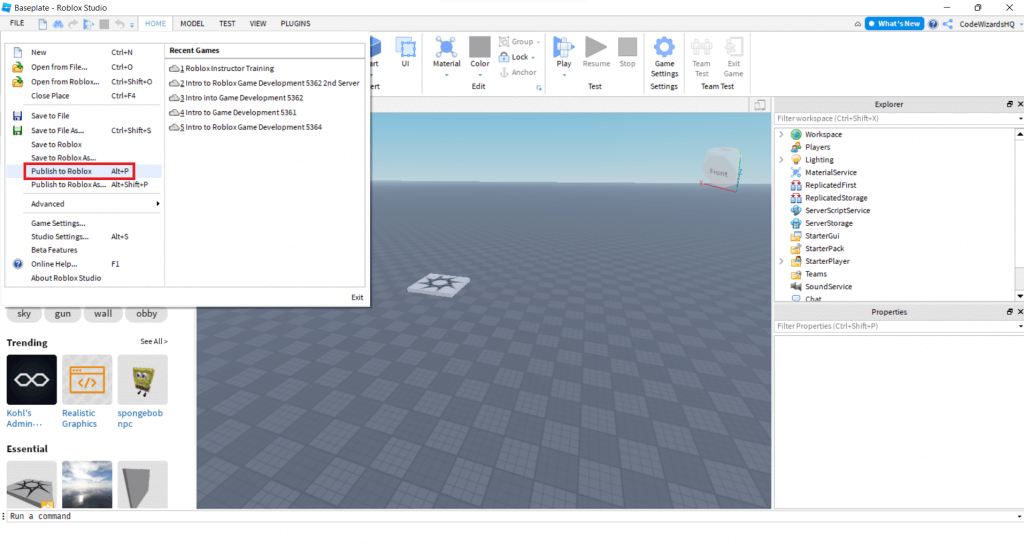
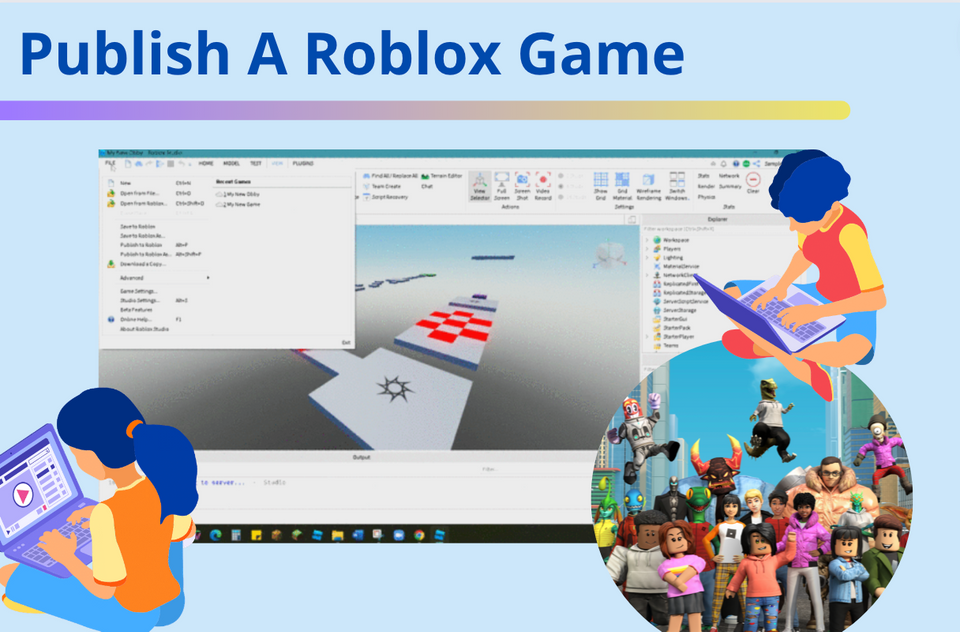
Reality: Absolutely a myth! Roblox game development is an ongoing process. After publishing, you can continually update, improve, and add new content to your game as often as you like. You'll simply save your changes in Roblox Studio and use the 'Publish to Roblox' feature again. This iterative development allows you to respond to player feedback and keep your game fresh.
Myth vs Reality: Roblox will automatically promote my game if it's good.
Reality: While a good game might gain organic traction, Roblox doesn't automatically guarantee promotion. You need to actively promote your game through social media, community forums, and word-of-mouth. Engaging with players, running events, and potentially using Roblox's advertising tools are crucial for visibility. Quality is key, but visibility requires effort too.
Still have questions?
Check out our related guides on 'Roblox Studio Advanced Scripting' or 'Monetizing Your Roblox Game in 2026' for deeper dives into these topics!
So, you've been asking, "How do you make your own Roblox game?" Well, buckle up, because getting into game development on Roblox is an incredibly rewarding journey. It's like having a backstage pass to the coolest virtual playground. Back in 2026, the tools are more powerful and user-friendly than ever before. You're not just playing games; you're building them. It's a fantastic way to express your creativity. This guide will help you understand every step.
We'll cover everything from the basics to some really advanced tricks. Think of me as your friendly senior colleague, here to guide you. We'll explore Roblox Studio, dive into scripting with Lua, and even touch on how to get your game noticed. Remember, every master builder started somewhere, and with patience, you'll be creating amazing experiences. Let's make some magic happen in the Roblox metaverse. You absolutely have this in the bag.
Beginner / Core Concepts
1. Q: What exactly is Roblox Studio and why do I need it to make a game?
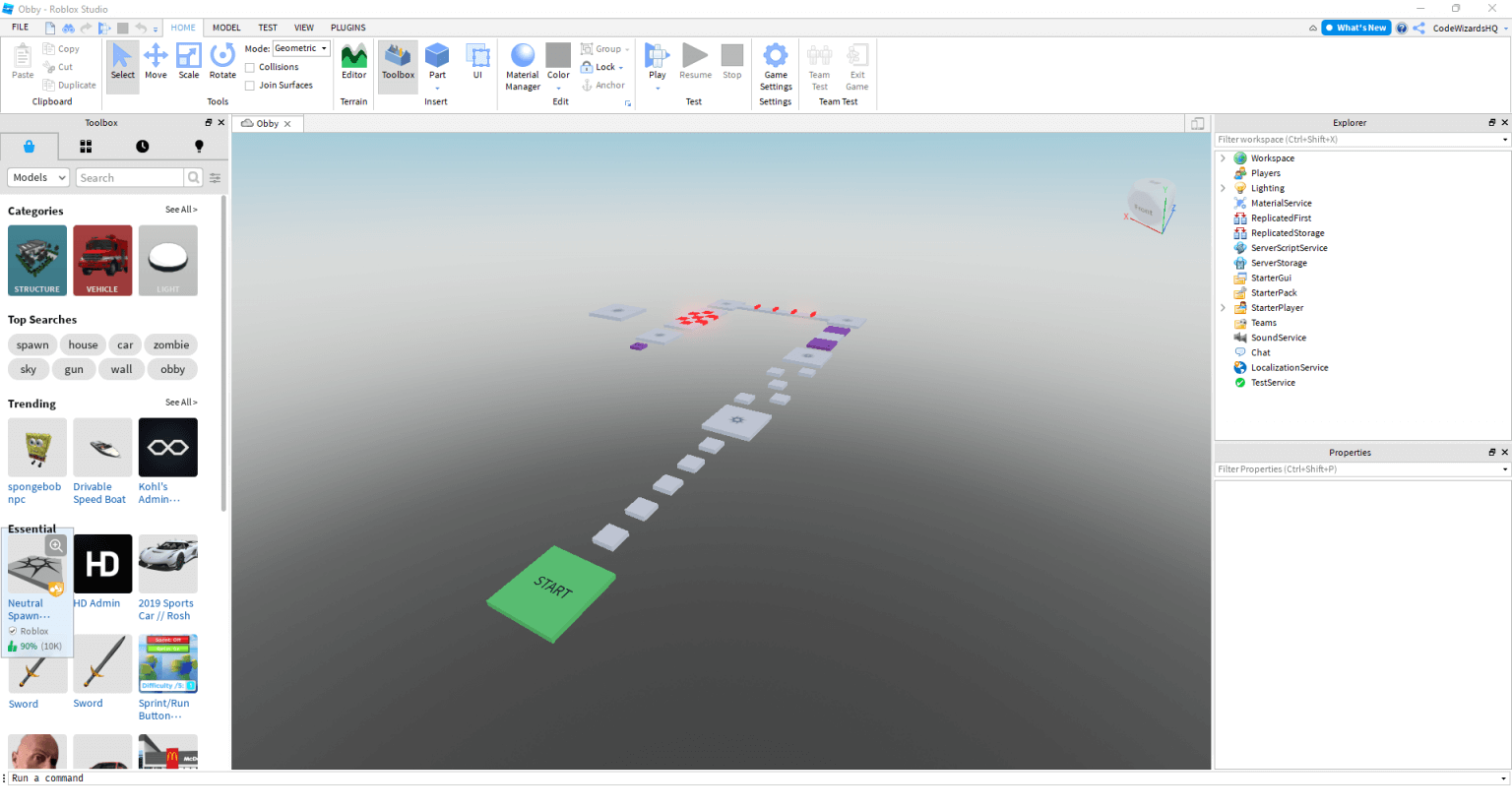
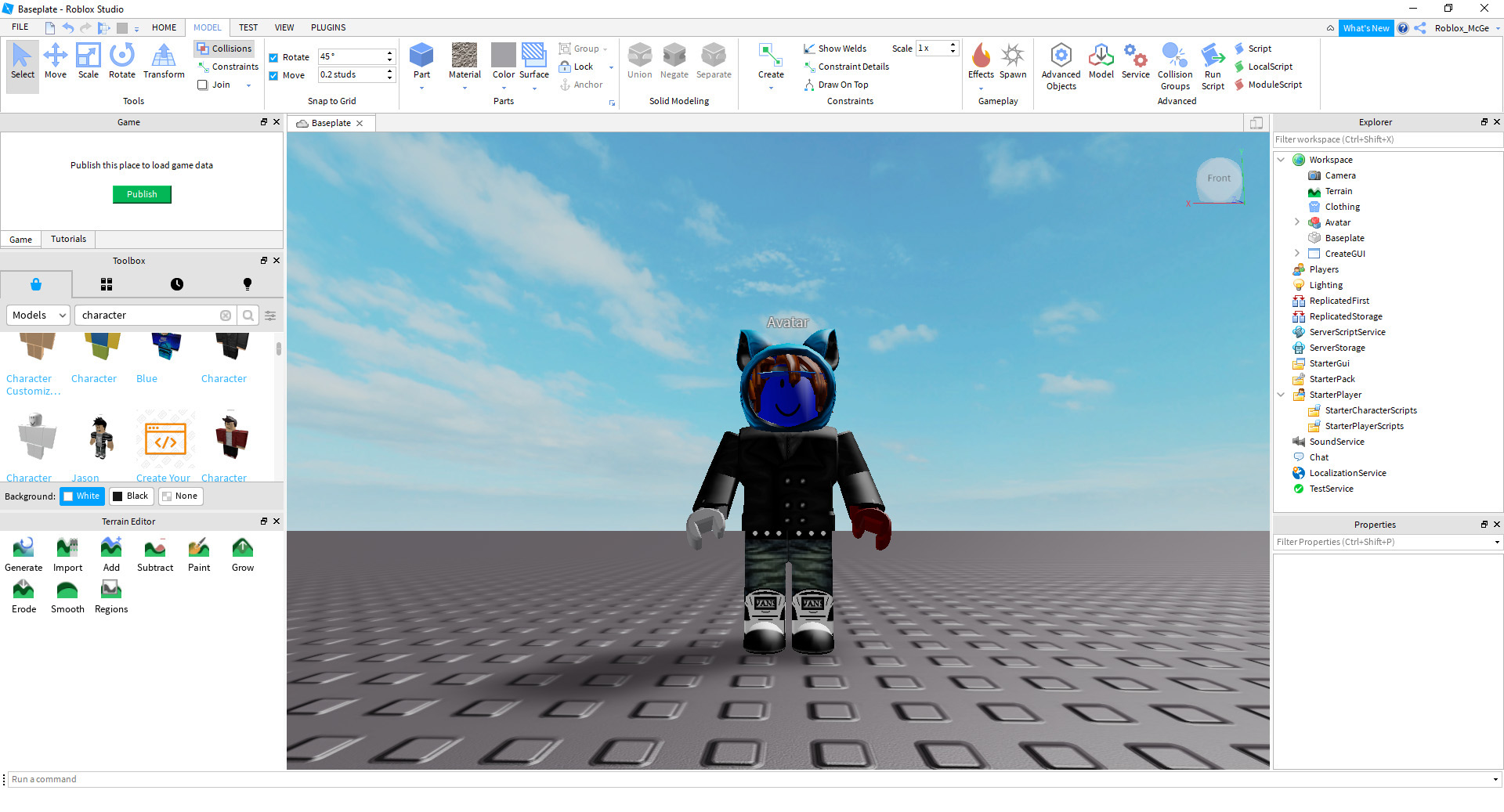
A: Roblox Studio is your all-in-one development environment, the magical place where game creation truly begins. It's a free application that lets you design, build, and script experiences for millions of players on the Roblox platform. Think of it as your digital workshop. You'll use it to craft environments, implement game mechanics, and test everything before it goes live. Without Studio, you simply can't create a Roblox game. It's an essential tool.
I get why this confuses so many people, especially coming from other platforms. Roblox Studio provides intuitive visual tools for dragging and dropping assets, but also a powerful code editor for Lua scripting. It’s a complete package for bringing your ideas to life. You’re going to spend a lot of quality time here.
* Visual Building: Drag, drop, resize parts, and sculpt your world. It's incredibly accessible.
* Scripting Editor: Write Lua code to add interactivity and game logic. This is where the magic happens.
* Testing Environment: Playtest your game directly within Studio before publishing. You can even simulate multiplayer.
* Asset Management: Access a vast library of models, sounds, and plugins from the Roblox Marketplace. This really speeds up development.
The learning curve is surprisingly gentle, thanks to abundant tutorials. Just download it and start exploring. You've got this!
2. Q: Is programming or coding really necessary to make a Roblox game, or can I just build?
A: While you can definitely build amazing static worlds without writing a single line of code, programming with Lua is absolutely necessary for creating interactive and dynamic gameplay. If you want doors that open, enemies that move, or a scoring system, then yes, coding is crucial. It’s what transforms a cool build into a real game.
This one used to trip me up too, thinking I could just drag and drop everything. For basic builds, sure, but games need logic! Lua is a very beginner-friendly language, often cited as one of the easiest for new programmers. It’s quite powerful and expressive. Don't let the word 'coding' intimidate you at all.
* Basic Builds: Create stunning environments, models, and landscapes using Studio's tools alone.
* Interactive Elements: Lua scripts make objects react to players, manage game states, and implement complex mechanics.
* Game Systems: Think leaderboards, inventory systems, character customization – all require scripting.
* User Interface (UI): Design buttons and menus that actually do something in response to player input.
Start with simple scripts, maybe a moving platform or a clickable button. There are tons of resources online. Try this tomorrow and let me know how it goes!
3. Q: Where do I find resources or tutorials to help me learn Roblox game development?
A: The best place to start is the official Roblox Creator Hub, which is packed with tutorials, documentation, and guides for all skill levels. Beyond that, YouTube is a treasure trove of video tutorials, from quick tips to full series on game creation. You’ll find community forums incredibly helpful as well.
It's like a buffet of knowledge out there, and sometimes it feels overwhelming to pick where to start! My advice is to pick one good, structured tutorial series and stick with it initially. Don’t jump around too much.
* Roblox Creator Hub: Official site with comprehensive articles, example projects, and API reference.
* YouTube Channels: Search for 'Roblox Studio tutorials' – popular creators like AlvinBlox, TheDevKing, and others offer excellent content.
* DevForum: The official Roblox Developer Forum is a fantastic place to ask questions, share projects, and learn from others.
* Community Tutorials: Many experienced developers share their knowledge on personal blogs and specialized websites.
Consistency is key here. Spend a little time each day, and you'll see huge progress. You're on your way to becoming a Roblox dev!
4. Q: What are 'parts' and 'models' in Roblox Studio, and how do I use them effectively?
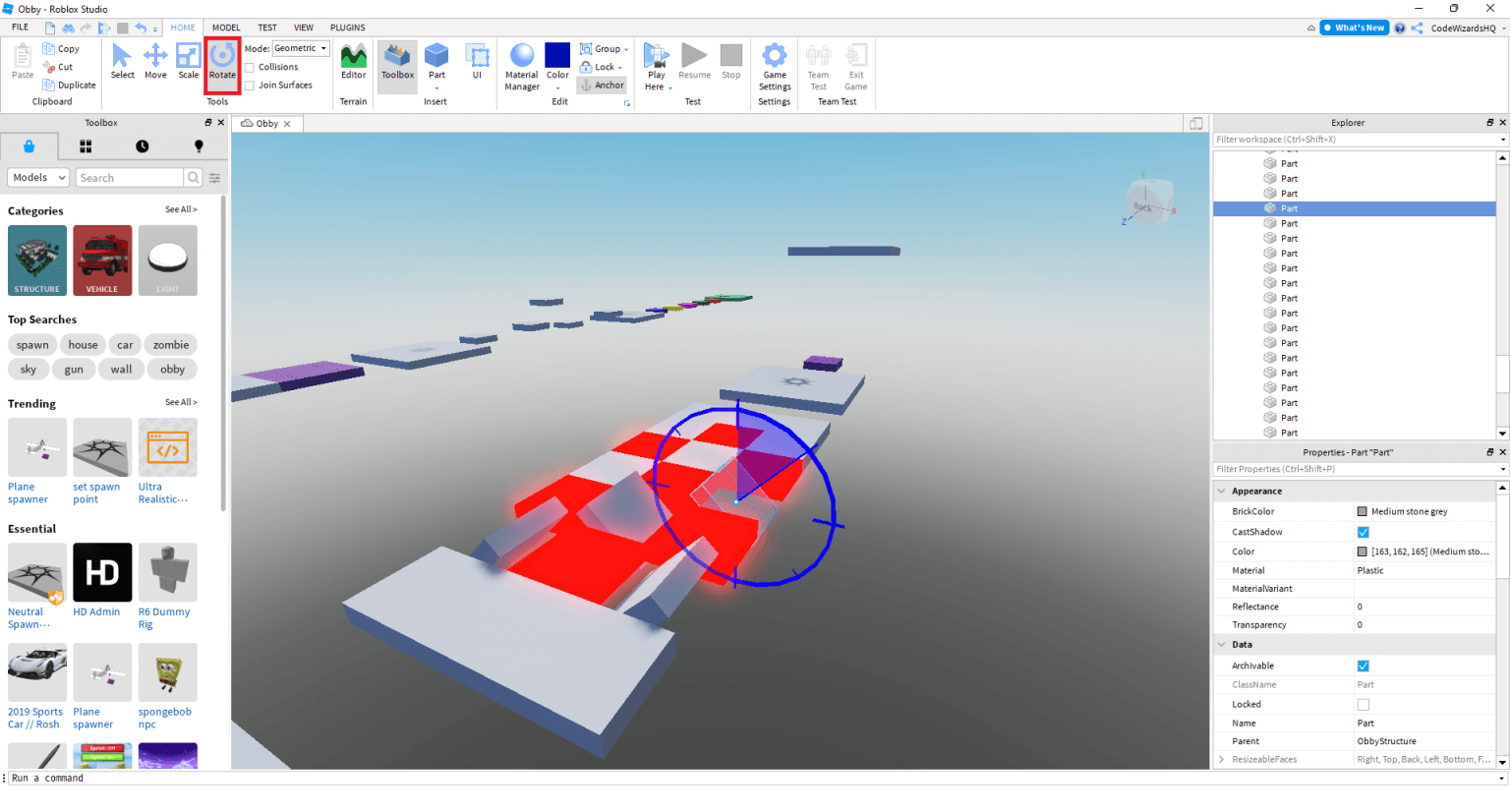
A: In Roblox Studio, 'parts' are the fundamental building blocks of everything you create, like digital LEGO bricks. They can be cubes, spheres, cylinders, or wedges. 'Models' are collections of multiple parts and other objects grouped together to form more complex structures, like a house or a character. Understanding their relationship is vital for efficient building.
It’s a foundational concept, and once you grasp it, your building speed will skyrocket. Think of parts as individual atoms, and models as molecules. You combine atoms to make molecules, and you combine parts to make models.
* Parts: Basic geometric shapes. You can change their size, color, material, and physical properties.
* Models: Grouping parts into a single unit makes them easier to move, duplicate, and manage. This is essential for organization.
* Grouping: Select multiple parts and press Ctrl+G (Cmd+G on Mac) to turn them into a model.
* Using the Toolbox: Access a vast library of community-created models to jumpstart your projects or learn from others' designs.
Practice building simple objects first. Try making a chair, then a table, then a room. It builds muscle memory. You've got this creative spark!
Intermediate / Practical & Production
5. Q: How do I manage game performance and optimize my Roblox game to prevent lag and FPS drops?
A: Optimizing your Roblox game for smooth performance is crucial for player retention. This means paying close attention to object count, script efficiency, and network usage. Excessive parts, unoptimized meshes, and inefficient scripts are common culprits for lag and FPS drops. Regular testing and using Studio’s built-in performance tools are your best friends.
Nobody likes a laggy game, right? It's a huge player turn-off. We're aiming for that buttery-smooth 60 FPS, even on older devices. This is where a bit of technical know-how really pays off.
* Reduce Part Count: Minimize the number of individual parts. Use unions or meshes where possible to combine objects.
* Efficient Scripting: Avoid endless loops, unneeded remote calls, and excessive `wait()` functions. Profile your scripts using Studio's Script Performance tab.
* StreamingEnabled: Enable `StreamingEnabled` in Workspace properties. This loads parts of the map dynamically, reducing initial load times and memory usage for large worlds, a key 2026 feature.
* Texture and Mesh Optimization: Use efficient textures and low-poly meshes. High-resolution assets can really drag performance down.
* Collision Fidelity: Adjust `CollisionFidelity` for non-essential parts to `Box` or `Hull` to reduce physics calculations.
Keep an eye on the ‘Developer Console’ (F9 in-game) for performance metrics. You’ll become a wizard at this.
6. Q: What are `LocalScripts` and `ServerScripts`, and when should I use each one?
A: `ServerScripts` run on Roblox's servers, handling critical game logic like leaderboards, data saving, and secure combat mechanics, protecting against cheating. `LocalScripts` run only on a player's client (their device), ideal for UI updates, client-side animations, and effects that don't need server validation. They operate in different environments, and knowing when to use each is fundamental.
This is a cornerstone concept for any serious Roblox developer. Getting it wrong can lead to security vulnerabilities or terrible player experience. I remember struggling with this early on!
* ServerScripts: Placed in `ServerScriptService`, `Workspace` (but not attached to a player’s character directly), or `ServerStorage`.
* LocalScripts: Placed in `StarterPlayerScripts`, `StarterGui`, player characters, or tools. They can't directly access `ServerScriptService` objects.
* Security: Never trust the client! Anything important, like currency transactions or damage calculations, must be handled by the server.
* Performance: Offload purely visual or non-critical tasks to `LocalScripts` to reduce server load.
A common reasoning model is: if it affects all players or needs to be secure, it's server-side. If it's just for one player's visual experience, it's client-side. You'll master this distinction with practice.
7. Q: How do I implement data saving and loading for player progress in my game?
A: Data saving in Roblox primarily uses the `DataStoreService`, allowing you to store player-specific information like currency, inventory, and progress. It's a critical component for any persistent game. You'll typically use `SetAsync` to save data and `GetAsync` to retrieve it, always wrapping these calls in `pcall` (protected call) for error handling.
This is one of those features that makes a game feel substantial. Players invest time, and they expect their progress to be saved. It’s also one of the areas where errors can be most frustrating for players if not handled properly.
* DataStoreService: The primary API for persistent data storage. Access it via `game:GetService("DataStoreService")`.
* `GetAsync` and `SetAsync`: Used for loading and saving data for a specific key (usually a player's UserId).
* `pcall`: Absolutely essential for data operations. It gracefully handles potential errors (e.g., Roblox servers being down) without crashing your game.
* Autosaving: Implement periodic autosaves and saves upon player leaving (`Players.PlayerRemoving`).
* Structure Data: Organize player data into tables for easier management, like `playerData = {Cash = 100, Inventory = {'Sword'}}`.
Always test your saving and loading extensively! Losing player data is a cardinal sin. You're building a reliable experience.
8. Q: What are RemoteEvents and RemoteFunctions, and how do they enable client-server communication?
A: `RemoteEvents` and `RemoteFunctions` are the communication channels between your `LocalScripts` (client) and `ServerScripts` (server). `RemoteEvents` are for one-way messages (e.g., client tells server 'player jumped'), while `RemoteFunctions` allow for two-way communication where the client requests information from the server and waits for a response (e.g., client asks server 'how much money do I have?').
This is like the postal service of your game! Without it, your client and server would be two isolated islands. Understanding how they work is a huge leap forward in game development.
* RemoteEvent Usage: Fire an event from client to server (`FireServer`) or from server to all/specific clients (`FireAllClients`, `FireClient`). The receiving script `OnServerEvent` or `OnClientEvent`.
* RemoteFunction Usage: Client calls `InvokeServer` and waits for the server's `OnServerInvoke` to return a value. Server can also `InvokeClient`.
* Security (for Events): Never trust client input directly. Always validate client data on the server before processing.
* Security (for Functions): `InvokeClient` is powerful but can be risky if a malicious client doesn't respond. Use with extreme caution.
Place your `RemoteEvents` and `RemoteFunctions` inside `ReplicatedStorage` so both client and server can access them. Practice sending simple messages back and forth. You'll get the hang of it quickly.
9. Q: How can I protect my Roblox game from exploiters and cheaters in 2026?
A: Protecting your game from exploiters in 2026 requires a multi-layered approach, heavily leaning on server-side validation for critical actions. Never trust the client for things like damage calculations, currency grants, or item spawning. Implement sanity checks on the server for player inputs, movement speeds, and interaction distances. Obfuscating client-side scripts can help, but it's not a foolproof solution.
Exploiters are unfortunately a reality, and it's a constant battle. But with smart design, you can make it incredibly difficult for them. It’s about building strong defenses.
* Server-Side Validation: Every crucial action initiated by the client must be re-verified by the server. If a client fires a `RemoteEvent` to give themselves money, the server must check if that action is legitimate.
* Obfuscation: While not a primary defense, obscuring your `LocalScripts` can deter casual exploiters. Many services offer Lua obfuscation.
* Anti-Tamper Checks: Monitor client-side variables for suspicious changes, though this should be light to avoid false positives.
* Rate Limiting: Prevent spamming of `RemoteEvents` by clients by adding cooldowns or rate limits on the server.
* Banning/Reporting Systems: Implement robust systems for players to report exploiters and for you to review and ban them.
It's a continuous effort. Stay updated on common exploit techniques and adapt your defenses. You're building a fair playing field!
10. Q: What are `ModuleScripts`, and how do they improve code organization in Roblox Studio?
A: `ModuleScripts` are Lua scripts that return a table of functions or values, allowing you to organize your code into reusable, modular chunks. Instead of having one massive script, you can break down your game logic into separate `ModuleScripts` for different systems (e.g., an inventory module, a combat module, a data store module). They promote clean code and efficient development.
This is a game-changer for code management, especially as your project grows. It’s like having perfectly organized drawers instead of one giant junk drawer. It saves so much headache in the long run.
* Reusability: A single `ModuleScript` can be `require()`d by multiple `ServerScripts` and `LocalScripts` (if placed in `ReplicatedStorage`).
* Organization: Keeps your codebase clean, making it easier to read, debug, and maintain.
* Encapsulation: Hides internal implementation details, exposing only what's necessary through the returned table.
* Efficiency: When `require()`d, a `ModuleScript` is only executed once, and its returned table is cached.
Start by moving common functions or data structures into `ModuleScripts`. It will make your code much more manageable. You're leveling up your coding skills!
Advanced / Research & Frontier 2026
11. Q: How are 2026 AI and machine learning models being integrated into Roblox game development?
A: In 2026, AI and ML are increasingly being leveraged in Roblox development, not just for sophisticated NPC behaviors, but also for generative content and dynamic world adjustments. Frontier models like o1-pro and Llama 4 reasoning are enabling more human-like dialogue, adaptive difficulty, and even automated quest generation. We're seeing AI-powered tools that assist with asset creation and script optimization, making development faster and more intelligent.
This is the cutting edge, folks, where AI isn't just a gimmick but a powerful development partner. It's revolutionizing what's possible within the engine. It's truly fascinating to watch this unfold.
* Advanced NPCs: AI for non-player characters that learn player patterns, exhibit complex decision-making, and offer dynamic interactions.
* Generative Content: AI helping to create landscapes, item variations, or even entire quest lines based on player engagement data.
* Player Experience: ML models analyzing player behavior to personalize in-game events, difficulty scaling, or content recommendations.
* Developer Tools: AI-powered assistants in Studio for code completion, bug identification, and even suggesting game design improvements.
Experiment with open-source AI libraries compatible with Lua, or look for 2026 plugins leveraging these new models. You're at the forefront of innovation!
12. Q: What are the best practices for implementing complex physics and custom character controllers?
A: Implementing complex physics and custom character controllers requires a deep understanding of Roblox's physics engine and precise scripting. For physics, prioritize `Raycasting` for accurate collision detection and manage `AssemblyLinearVelocity` or `CFrame` for precise movement. Custom character controllers demand careful handling of network replication and input processing, often using `BodyMovers` or direct CFrame manipulation. Always consider server-side validation for player movement.
This is where things get really intricate and fun! It's about bending the engine to your will, but it takes finesse. It’s a common pain point for many intermediate developers.
* Custom Controllers: Often involve local scripts handling input and sending movement requests to the server, which then replicates the CFrame or velocity.
* Network Ownership: Understand how network ownership impacts physics and script execution. Clients typically own their characters for smooth movement.
* Raycasting: Essential for precise collision checks, line of sight, and hit detection, far more accurate than simple `Touched` events.
* Physics Constraints: Use `SpringConstraints`, `HingeConstraints`, etc., for realistic vehicle mechanics or dynamic environment elements.
Dive into the Roblox API documentation for `BasePart`, `CFrame`, and `UserInputService`. This is challenging but incredibly rewarding. You’re building something truly unique!
13. Q: How can I leverage the new 'Experience-Owned Assets' system for better asset management and collaboration?
A: The 2026 'Experience-Owned Assets' system allows developers to assign ownership of assets (like models, sounds, textures) directly to an experience instead of an individual user. This streamlines collaborative development, ensures asset persistence even if a creator leaves, and offers enhanced version control. It's a significant step towards more professional and organized team workflows, mitigating previous common headaches.
This feature is a godsend for teams! I remember the old days where if someone left, their assets could disappear. This totally solves that. It's a huge step towards professional game studios thriving on Roblox.
* Team Creation: Essential for teams, as assets remain tied to the game, not personal accounts.
* Version Control: Easier management of asset versions directly within the experience, reducing conflicts.
* Security and Ownership: Clearer ownership and permissions, preventing accidental deletion or misuse.
* Marketplace Integration: Allows for direct management and selling of experience-owned assets on the Creator Marketplace.
Make sure your team adopts this new system for all new assets. It simplifies so much. You’re building a solid foundation for future growth.
14. Q: What are advanced monetization strategies beyond typical game passes and developer products in 2026?
A: Beyond standard game passes and developer products, advanced monetization in 2026 involves more sophisticated player engagement models. Think about subscription-style premium access, dynamic ad placements that integrate seamlessly into gameplay (Roblox is exploring more flexible ad solutions), and leveraging user-generated content (UGC) marketplaces within your game. Seasonal battle passes with exclusive rewards and community-driven content initiatives are also highly effective, keeping players invested.
Monetization isn't just about selling things; it's about adding value and depth to your game. It’s an art form to make it feel fair and rewarding, not predatory.
* Battle Passes: Time-limited progression systems offering free and premium reward tracks.
* UGC Marketplaces: Allow players to create and sell cosmetic items or game assets to each other, with you taking a cut.
* Subscription Models: Offer monthly premium benefits, exclusive content, or ad-free experiences.
* Dynamic Events: Tie monetization to limited-time events, special bundles, or rare item drops.
* Creator Store: Utilize the 2026 Creator Store to sell custom tools, models, or scripts that enhance other developers' experiences, creating an ecosystem.
Always prioritize player enjoyment. Ethical monetization builds loyalty. You’re crafting an economy, not just a game.
15. Q: How can I effectively use external tools and APIs for advanced Roblox development in 2026?
A: In 2026, leveraging external tools and APIs is key for pushing the boundaries of Roblox development. Think about integrating with third-party web services via `HttpService` for dynamic content, using external modeling software like Blender for highly detailed assets, or even employing version control systems like Git for collaborative coding. Discord APIs for game-to-chat integration and AI services for advanced analytics are also becoming standard for serious developers.
This is where you truly extend Roblox Studio's capabilities beyond its native environment. It's about bringing the power of the web and other professional tools right into your game development workflow.
* Blender/Maya: Create complex 3D models and animations, then import them as meshes into Studio.
* Git/GitHub: For serious team collaboration, manage your scripts and assets with version control, tracking changes and merges.
* HttpService: Make web requests to external APIs for things like leaderboards, moderation tools, or dynamic content updates.
* AI APIs: Integrate with services for sentiment analysis on chat, advanced NPC dialogue, or content generation.
* Custom Plugins: Develop your own Studio plugins using Lua to automate repetitive tasks or add unique functionalities.
Always be mindful of security and rate limits when interacting with external services. You're building a truly connected experience.
Quick 2026 Human-Friendly Cheat-Sheet for This Topic
- Start with Roblox Studio, it's your main workshop. Don't be afraid to click around and explore.
- Lua scripting is essential for interactive games, but it's beginner-friendly. Start small, like making a light turn on.
- Always optimize your game; too many parts or inefficient scripts cause lag. Use Studio's performance tools.
- Server-side scripts handle security and crucial game logic. Client-side scripts manage visuals for individual players.
- Use `DataStoreService` to save player progress, and always wrap saves in `pcall` to prevent data loss.
- Communicate between client and server using `RemoteEvents` and `RemoteFunctions` for seamless interactions.
- Protect your game from exploiters by validating everything important on the server. Never trust the client fully.
And there you have it, a comprehensive look into building your own Roblox game! The journey is challenging but incredibly rewarding. With these insights and a bit of dedication, you'll be creating viral hits in no time. Keep experimenting, keep learning, and most importantly, keep having fun. The Roblox community is waiting for your next big creation!
Creating a Roblox game involves mastering Roblox Studio, understanding Lua scripting, and designing engaging gameplay. Key steps include learning the interface, building environments, scripting game logic, and testing thoroughly. Performance optimization for smooth gameplay is crucial, tackling issues like lag and FPS drops. Monetization strategies and effective promotion are also vital for game success. Emerging 2026 tools enhance development speed and complexity.
35
How To Create Your OWN GAME In Roblox YouTube . How To Make Your Own Game On Roblox . How To Make A Roblox Game In 15 Minutes Create Roblox Games Step 8 . How To Make A Roblox Game In 15 Minutes Create Roblox Games Step 10 . How To Make Your Own Roblox Game Roblox Studio YouTube


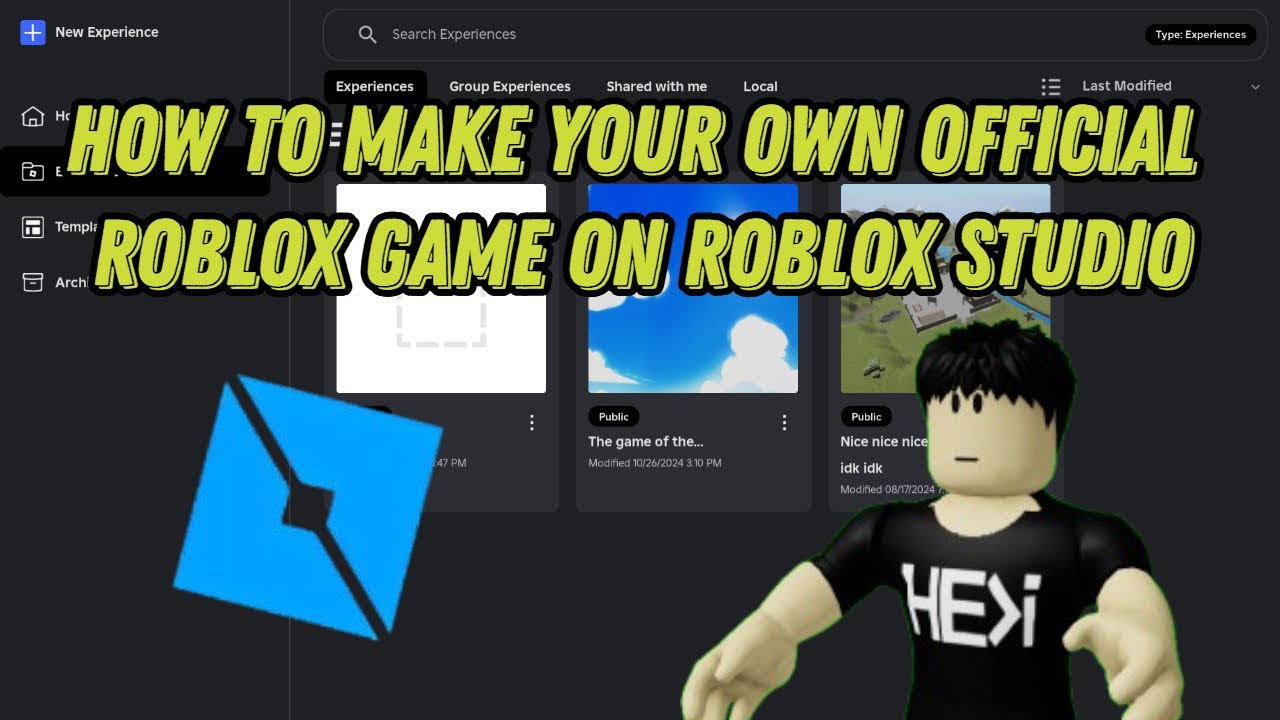
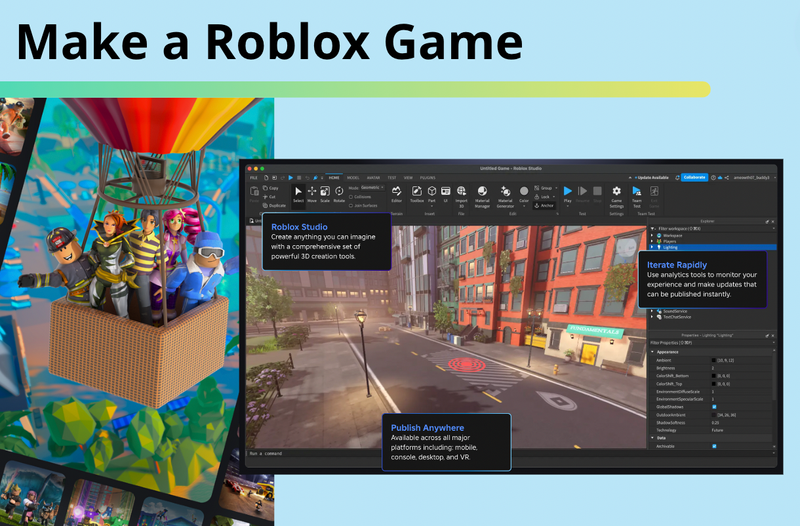
HOW DO YOU MAKE YOUR OWN GAME IN ROBLOX YouTube . How To Make Your Own Roblox Game YouTube . How To Make Roblox Games How To Make Your Own Roblox Game How To Create A Roblox Game Main . How To Make Your OWN OFFICIAL GAME On Roblox Studio YouTube . How To Make A Fun Roblox Game For Free And Publish It Screen Shot 2024 08 20 At 9.59.44 AM
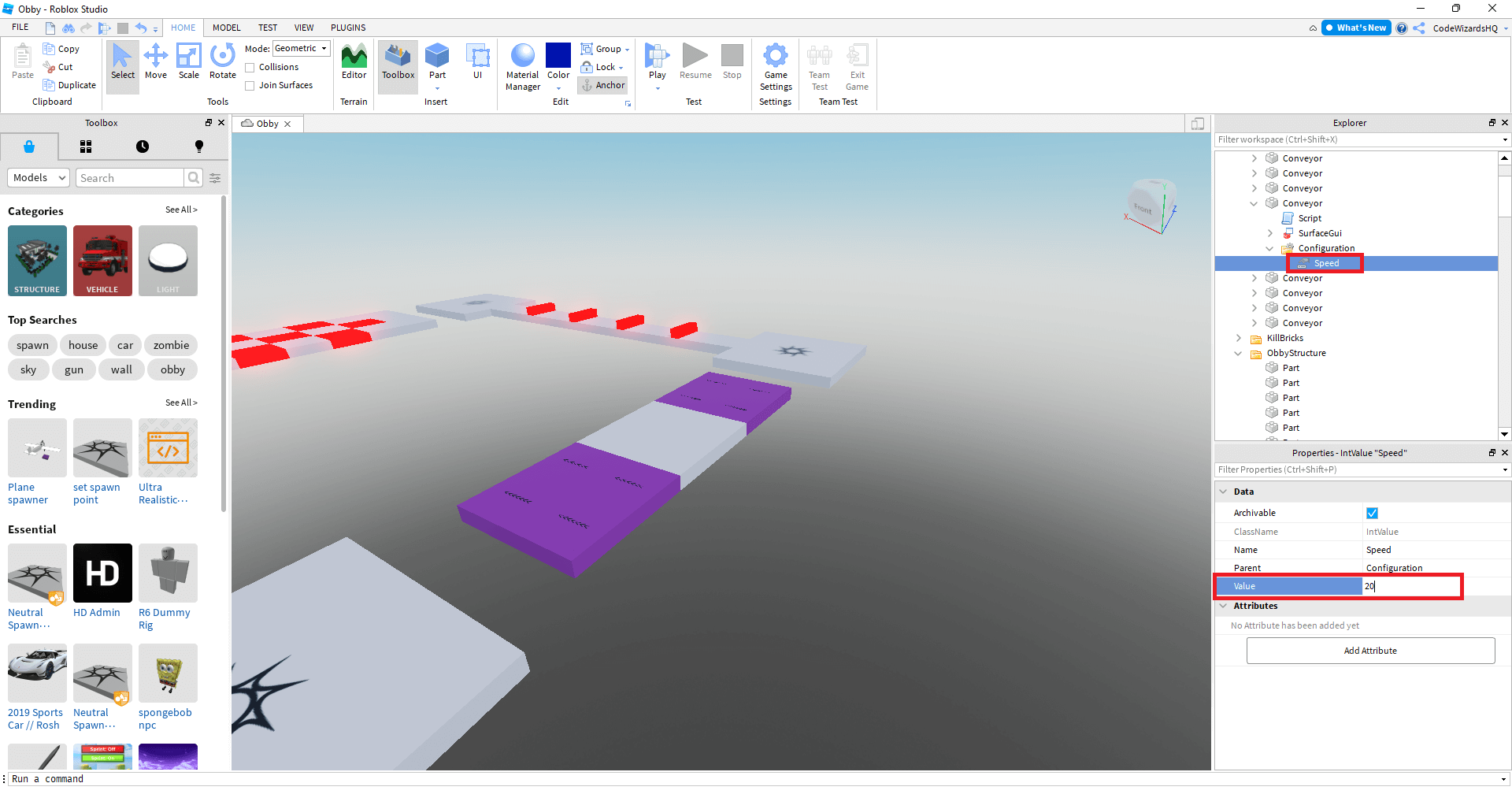
Make Your Own Roblox Game A Beginners Guide Step 7 . How To Make A Roblox Game From Scratch Roblox Game. How To Make Your Own Roblox Game A Simple Guide Playbite How To Make Your Own Roblox Game 1024x576 . How To Make A Roblox Game In 15 Minutes Create Roblox Games Step 11 1024x545 . Make Your Own Roblox Game A Beginners Guide Step 9 1536x826


How To Make A Roblox Game Step By Step Guide Launch Roblox. How To Create A Roblox Game Complete Step By Step Tutorial A Guide On How To Create A Game On Roblox.webp. How To Make A Game In Roblox Pojchurch . Roblox Game Success Your Guide To Popularity Step 4 1536x822 . How To Make A Fun Roblox Game For Free In Minutes Screen Shot 2024 10 17 At 5.41.09 PM

Make Your Own Roblox Game A Beginners Guide Screen Shot 2022 08 24 At 11.36.11 AM . How To Make A Game In Roblox Easy At Roger Monday Blog Step 2 . Create Your Own Roblox Games Roblox And Lua Coding 5287698145 . How To Share Publish Your Roblox Game In 3 Steps Screen Shot 2024 10 01 At 2.46.12 PM . Make Roblox Create


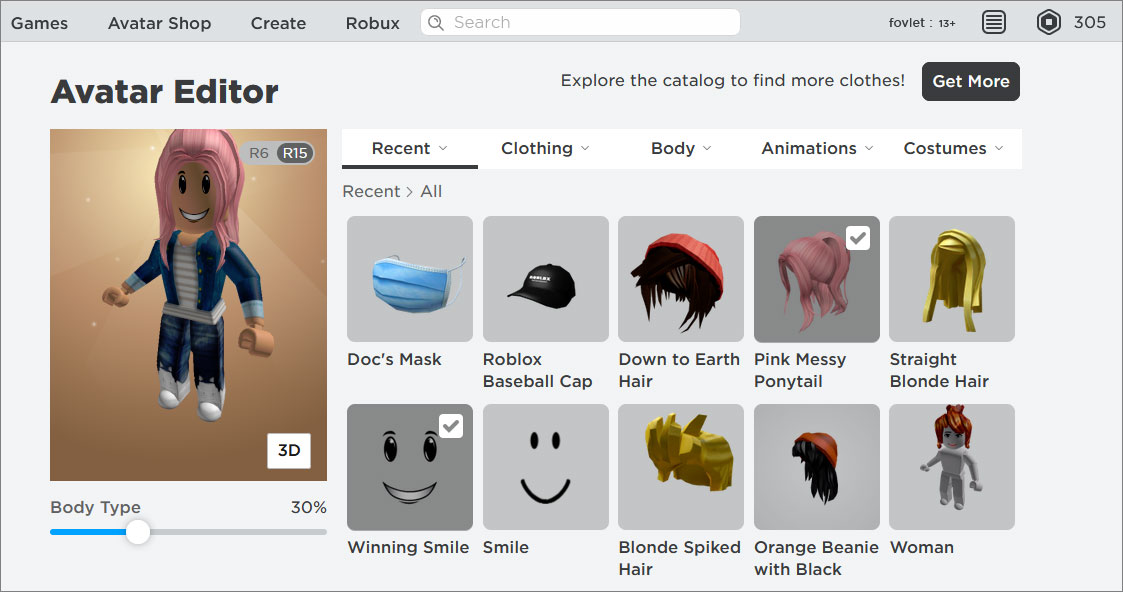
How To Make A Roblox Game In 2023 Easy Guide Beebom How To Make A Roblox Game In 2023 . How To Make A Roblox Game 2022 YouTube . How To Make A Roblox Game In 15 Minutes 2020 Tutorial YouTube . HOW TO MAKE YOUR OWN GAME ON ROBLOX IN 2022 YouTube . Make Your Own Roblox Game A Beginners Guide Image 14 1
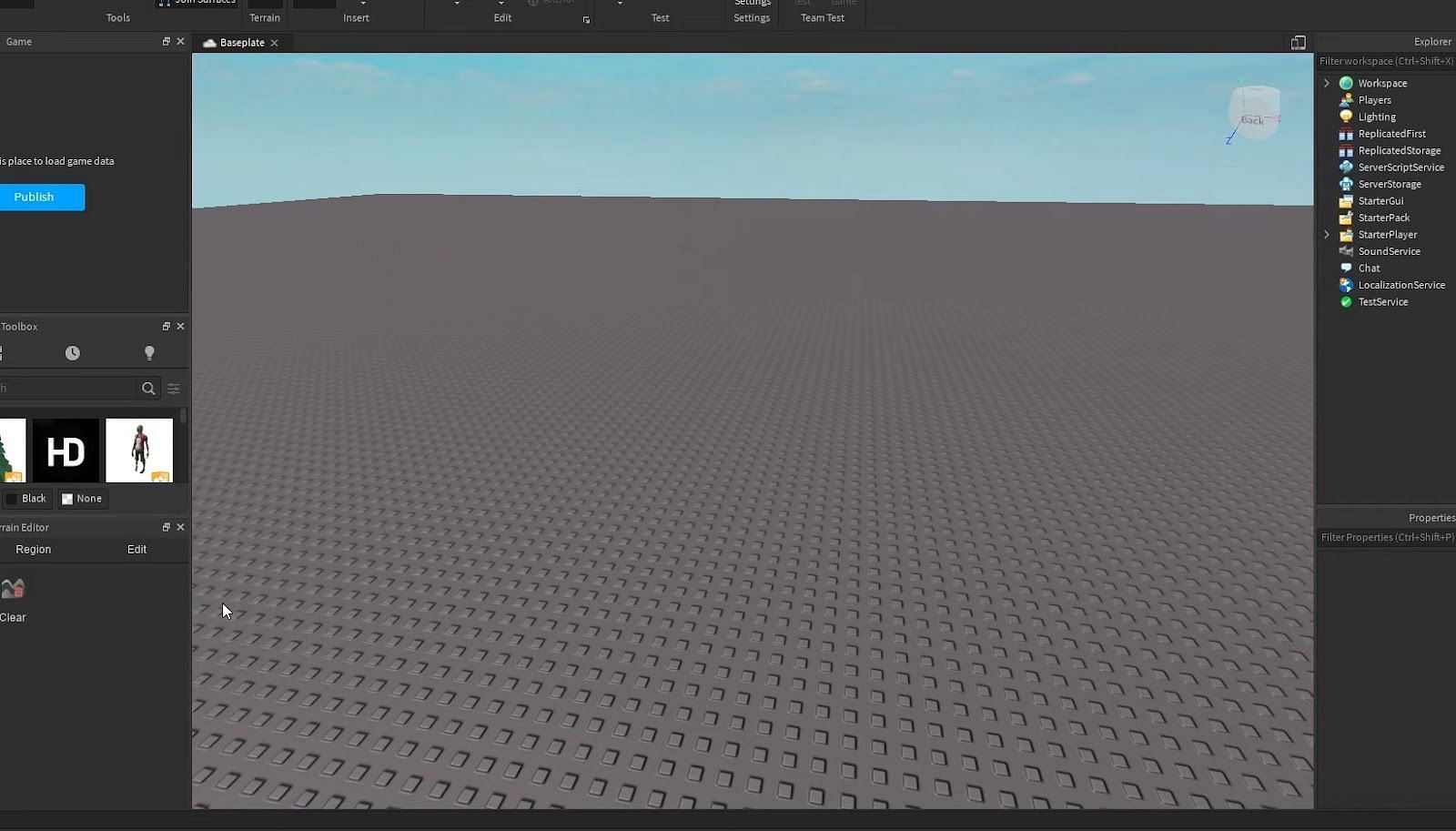


How To Make A Roblox Game 242a5 1920 . How To Make Your Own Game On Roblox . How To Make A Roblox Game A Beginner S Guide The Tech Edvocate 2023 06 . How To Make A Roblox Game YouTube . How To Create A Game On Roblox Easy Method Roblox Studio YouTube